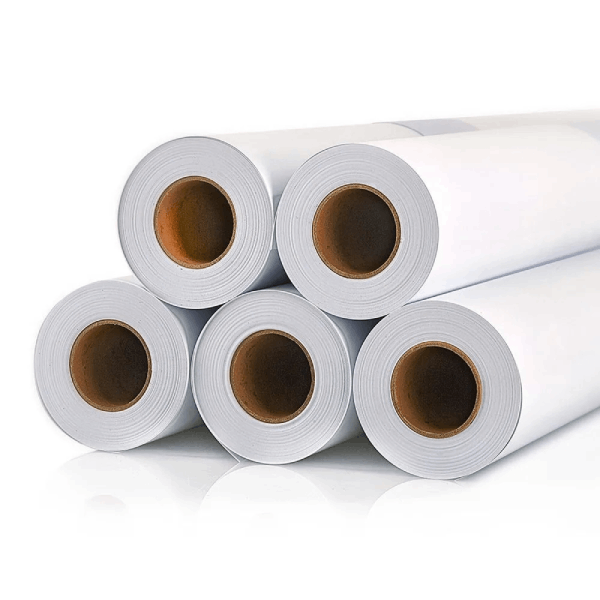
Are You Choosing the Right Paper for Your Printing Needs?
The printing process relies on two essential elements: the substrate (the printing surface) and the solvent (ink). Together, these components determine the quality and outcome of any printing job. With the wide range of substrates and inks available in the market, it’s crucial to make the right choices to achieve your desired results.In this blog, we’ll focus on one of the most critical elements in printing paper. By the end, you’ll have a better understanding of various types of paper materials, their uses, and how to choose the best one for your printing projects.
The Evolution of Paper
The journey of paper dates back to ancient China during the Eastern Han period (25–220 CE), where it was first documented, thanks to the court official Cai Lun. By the 8th century, papermaking had spread to the Islamic world, where it was further developed for currency and manuscripts.
On the Indian subcontinent, the use of paper was first recorded in the second half of the 7th century, with Sanskrit manuscripts appearing as early as the 11th century in regions like Kashmir and Gujarat. Over time, paper has undergone significant transformations, leading to the wide variety we use today.
Why Paper Matters in Printing
The type of paper significantly affects the final print appearance. Factors like coating, weight, and texture impact color reproduction, sharpness, and quality. Switching between coated and uncoated paper or different brands can alter colors. Printer manufacturers often test and certify papers, creating ICC profiles for consistent color results.
Key Paper Characteristics
Weight (GSM): Indicates paper thickness and sturdiness.
Grade/Type: Defines the paper’s intended use.
Color and Brightness: Affects print vibrancy.
Opacity: Influences visibility through the paper.
Smoothness: Impacts ink adherence and texture.
Grain: Affects folding and tearing based on fiber alignment.
Types of Paper
1.Coated Paper: Has a smooth finish with a layer of clay or gloss, ideal for vibrant colors and sharp images, commonly used for brochures, menus, and leaflets.
2.Uncoated Paper: Lacks gloss, offering a natural texture, suitable for stationery, photocopying, and laser printing.
Subtypes of Uncoated Paper:
Laid Paper: Textured, used for premium stationery.
Wove Paper: Smooth, high-quality for business use.
Bond Paper: Affordable, used for office tasks.
Recycled Paper: Eco-friendly, made from reusable pulp.
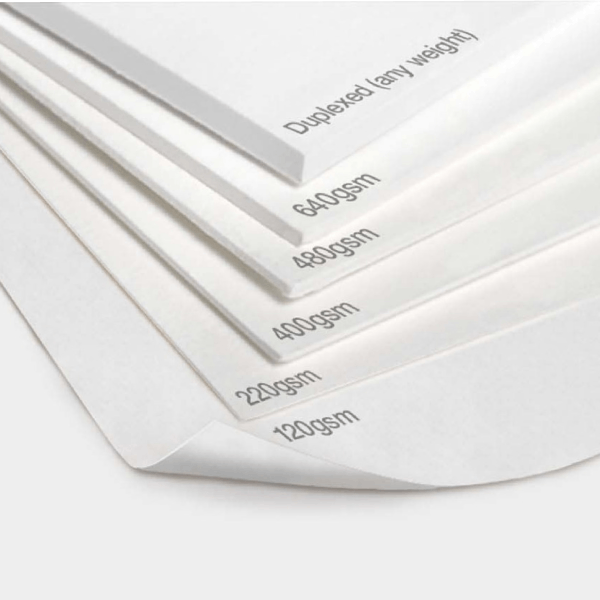
Paper GSM: GSM measures the weight and thickness of paper. Common ranges in India include:
Printco team is here to help you with all your printing and copying needs. We offer a complete suite of printing services with quick turnaround times and delivery.