

The History and Evolution of Printing: From Handcrafted Texts to Modern Innovations
Printing is an integral part of our daily lives. From the morning newspaper to packaging materials, from books to billboards, printing touches almost every aspect of human activity. It has become an indispensable part of communication, commerce, and culture. But have you ever wondered how printing originated and evolved into its current form? Let’s dive into the fascinating history of printing and explore its incredible journey.
The World Before Printing
Before the invention of printing presses, writing, documentation, and illustrations were done entirely by hand. This labour-intensive process required immense time and resources, making duplication of materials a daunting task.
In the 14th and 15th centuries, a rudimentary form of printing began to emerge. Wooden blocks carved with letters or images were dipped in ink and pressed onto paper. While innovative for its time, this method was slow and limited.
Johann Gutenberg: The Pioneer of Printing
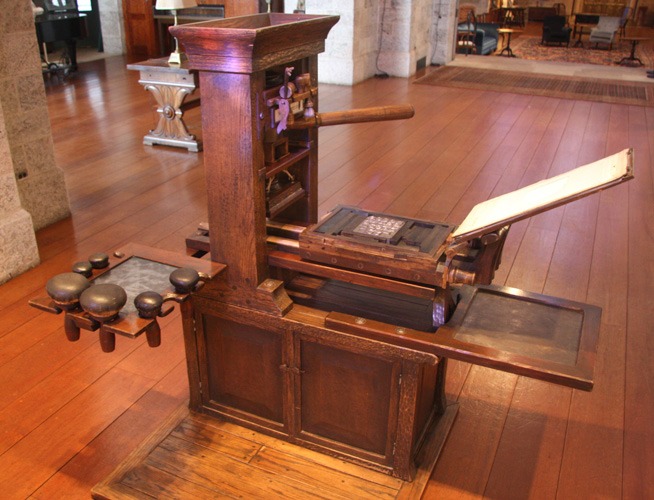
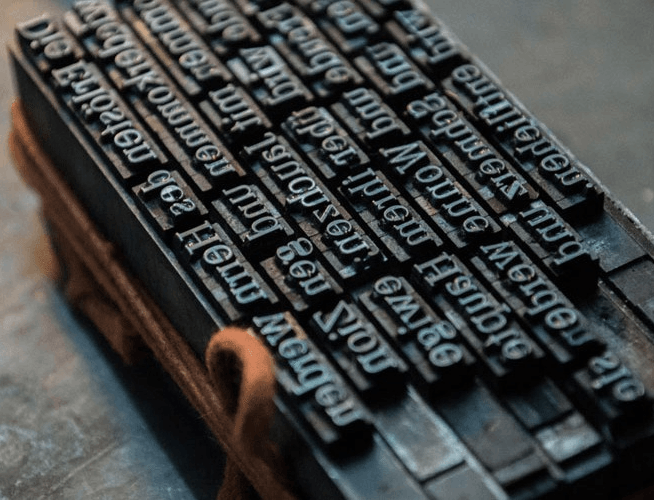
Around the late 1430s, Johann Gutenberg, a German inventor, changed the course of history. Drawing from his experience in minting, Gutenberg envisioned a faster and more efficient way to reproduce texts. He replaced wooden blocks with metal movable type, allowing individual letters to be rearranged and reused. This revolutionary invention paved the way for mass production of written materials.
The first book ever printed using Gutenberg’s press was the Gutenberg Bible. Today, this book is a historical treasure, symbolizing the birth of modern printing.
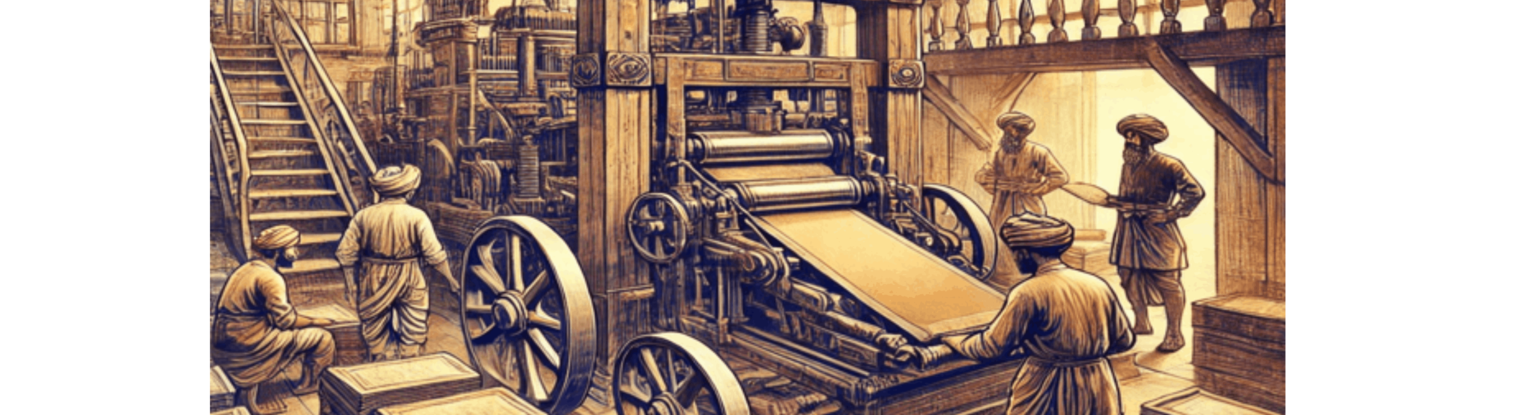
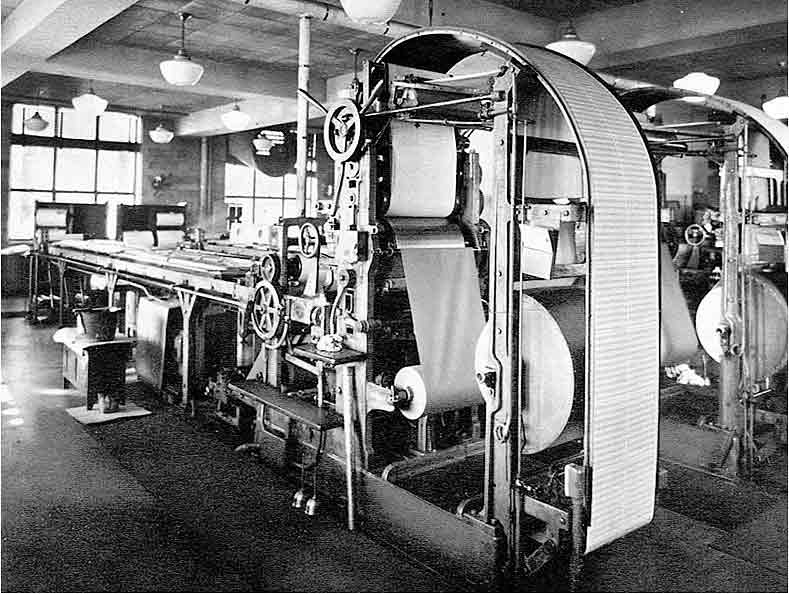
Gutenberg’s printing press laid the foundation for further innovations. Over the centuries, printing methods advanced significantly, enhancing efficiency, quality, and versatility. Here are some of the major types of printing that have shaped the industry:
- Letterpress Printing: Inspired by Gutenberg, uses movable type; produces tactile, high-quality prints often valued for handcrafted aesthetics.
- Offset Printing: Transfers ink via a rubber cylinder; cost-effective for mass production, widely used for books, newspapers, and magazines.
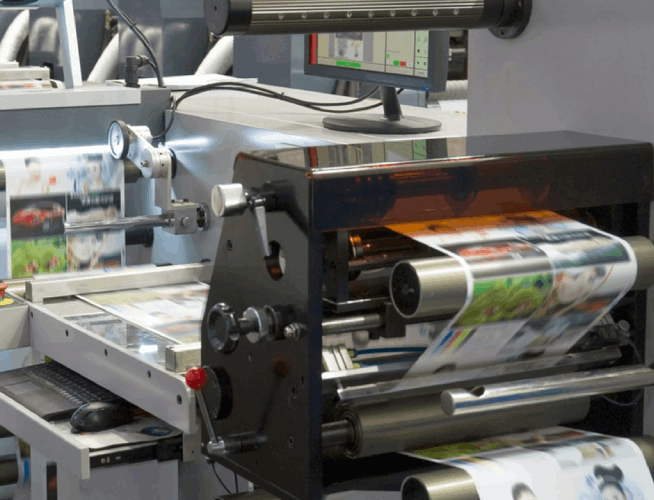
- Digital Printing: Utilizes inkjet or laser technology for direct printing, ideal for short runs and personalized jobs with quick turnaround.
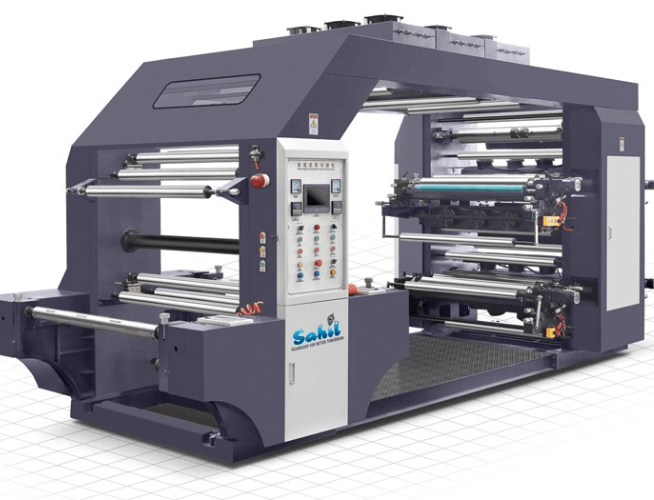
- Flexography: Employs flexible relief plates, versatile for printing on materials like plastics and packaging films.
- Rotogravure Printing: Uses engraved cylinders for high-quality, large-scale production, commonly for magazines and packaging.
Printing in India: A Rich Legacy
The Indian printing industry has a history spanning over 200 years. Initially influenced by the British, the industry gained momentum during India’s freedom struggle when newspapers became a vital tool for spreading awareness. Early printing techniques involved hand-operated presses, but technological advancements over the decades have transformed the industry.
Today, India’s printing sector is a thriving industry, comprising over 58,000 establishments. It serves diverse needs, including newspapers, magazines, books, outdoor publicity materials, and packaging. With innovations in digital and offset printing, the industry is poised to become a global printing hub, contributing significantly to the economy.
The Future of Printing in India
With advancements in technology, the Indian printing industry is expected to grow exponentially. Modernized equipment, eco-friendly practices, and digital integration are paving the way for a brighter future. Experts predict India will soon emerge as the printing hub of Asia, with a turnover projected to reach USD 30 billion.